
A useful sourcing brief does not need to be long. It needs to make the intended application and the decisions ahead clear. A few well-organized details can help a supplier respond with relevant product information instead of a generic catalogue.
The following checklist is a starting point for a commercial and technical discussion. It is not a product recommendation or a formulation protocol.
1. Describe the application
State whether the project concerns feed manufacturing, a farm-level application, distribution or aquaculture water management. Include the intended species, production stage and how the product would fit into your existing process.
Describe the outcome you want to explore without assuming that a particular ingredient or product will deliver it. This gives both sides room to discuss the appropriate information and evaluation work.
2. Separate essential requirements from preferences
List the characteristics your project must meet, then identify those that remain open for discussion. These may include product form, declared composition, packaging size, storage needs and compatibility questions for your intended process.
If you already have a specification, share its current version. If you do not, explain which details you need help clarifying rather than filling the gaps with assumptions.
3. Identify the destination market
Tell the supplier the country where the product will be sold or used and who will handle import and local product review. Ask which labels, certificates or supporting documents are available for the particular product and shipment.
Destination-market requirements should be checked with the relevant local advisers or authorities. A supplier’s standard document pack should not be treated as automatic approval for every market.
4. Outline packaging and commercial scope
Include a tentative order volume, preferred pack size, delivery expectations and whether the project uses your own brand. For an OEM / ODM discussion, explain whether you are considering an existing product, a packaging change or tailored development.
Minimum quantities, lead times, sampling arrangements and development scope need to be confirmed for the individual project.
5. Define the next decision
End the brief with the information you need next: a technical specification, an available batch certificate, a sample discussion or a quotation. Identify who will review the response and what questions must be resolved before proceeding.
Keep a single record of agreed specifications and outstanding questions. This helps your purchasing and technical colleagues work from the same information.
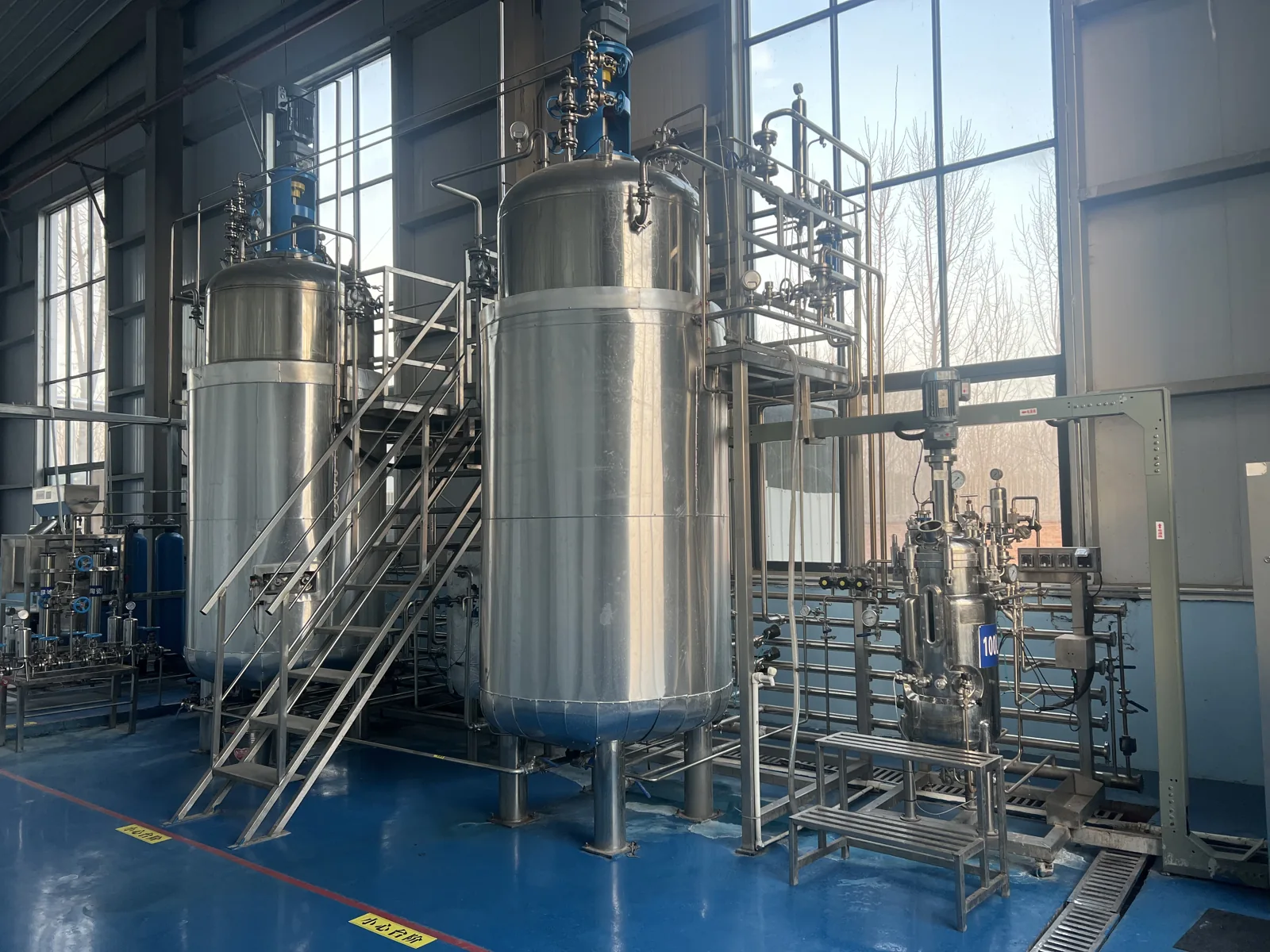
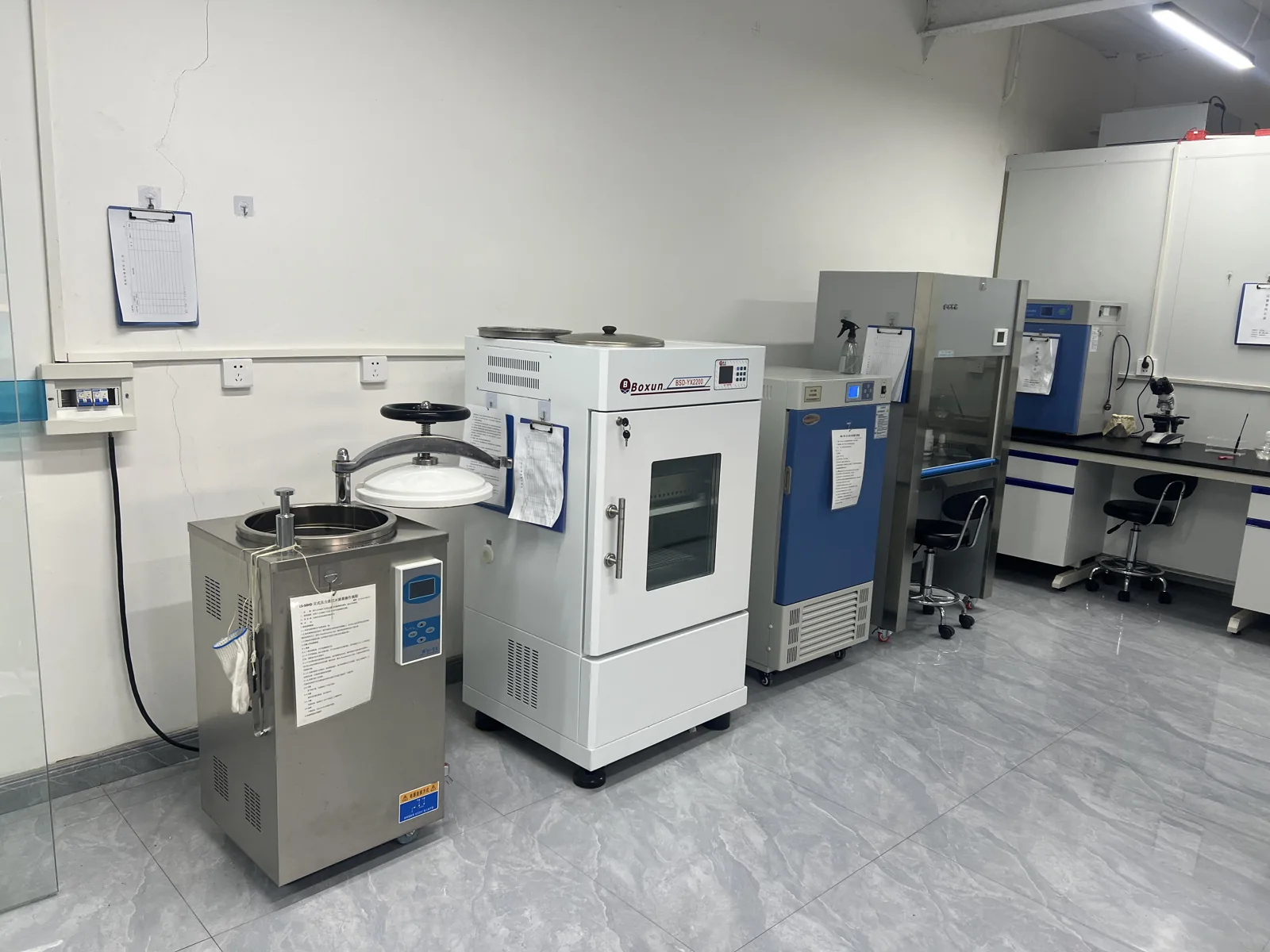
To start a discussion with Shiyuan Bio, explore our product families and send your application, destination country and document requirements through our contact page.